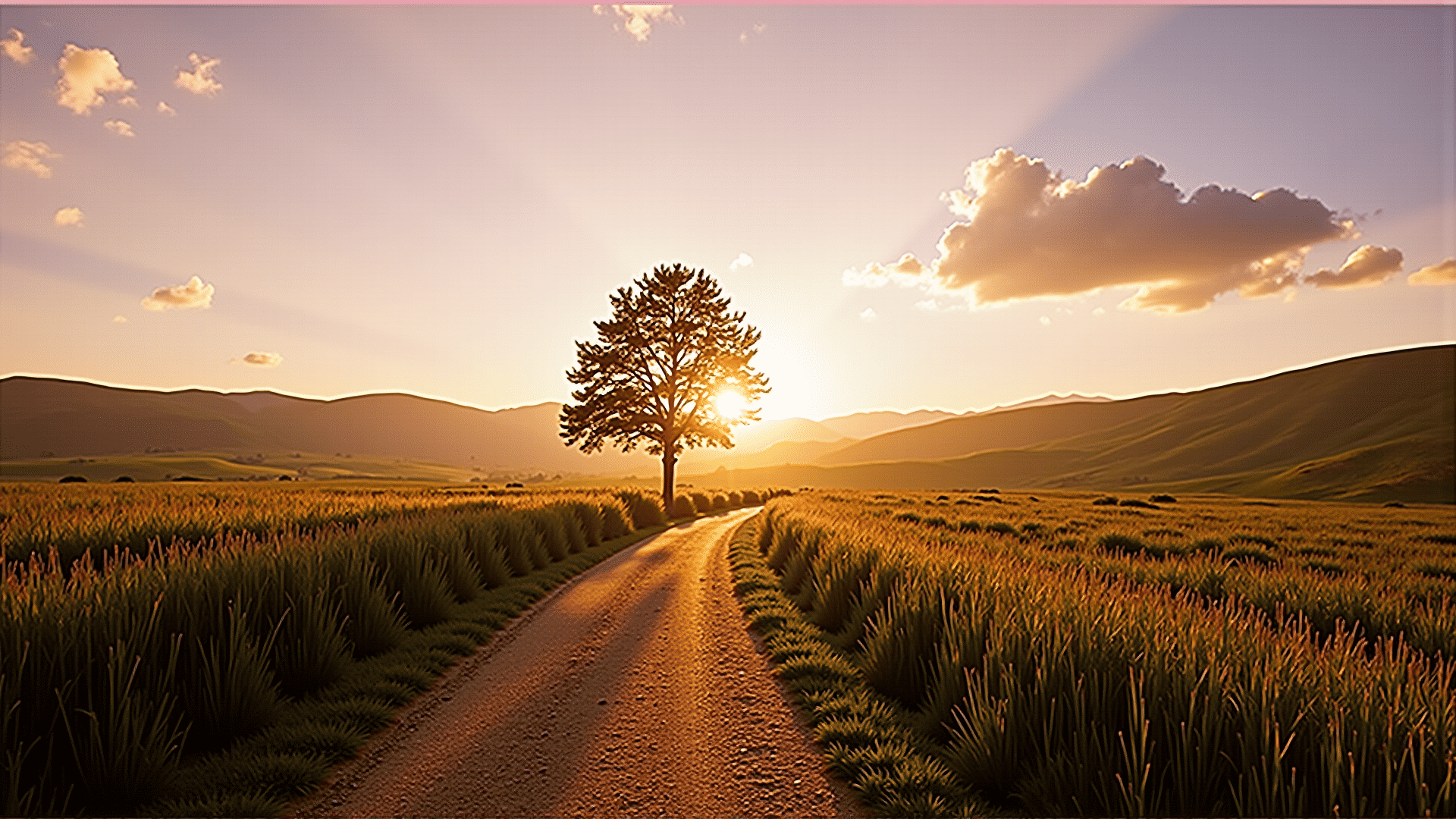
Lighting is a crucial element in photography that can dramatically transform the way your images appear, adding richness, mood, and texture to your compositions. Understanding and mastering various lighting techniques can help you bring your creative vision to life and convey the intended atmosphere and emotion in each photograph.
Natural Lighting
One of the most accessible types of lighting available to photographers is natural light, which changes dramatically throughout the day. The golden hour, occurring shortly after dawn and just before sunset, is often preferred for its soft, warm tones that add a glow to subjects. Midday sun, on the other hand, can cast harsh shadows, yet is ideal for capturing vivid, high-contrast scenes. Overcast days provide diffused lighting, minimizing shadows and maintaining details.
To make the most of natural light, consider the direction. Front lighting illuminates the subject directly, reducing shadows and highlighting colors. Backlighting, where the light source is behind the subject, can create dramatic silhouettes or halos, particularly when shooting translucent elements like foliage or hair.
Artificial Lighting
Artificial lighting offers more control and predictability. There are numerous types of artificial lighting suitable for various scenarios in photography.
1. Continuous Light: Continuous light sources, such as LED panels, provide a consistent light output, allowing photographers to see shadows and highlights in real-time. This setup is particularly beneficial for beginners or those working with still-life and portrait photography.
2. Flash: Often referred to as strobe lighting, flash can freeze motion and control ambient light, proving essential in low-light conditions. The flash can be applied directly for stark illumination or bounced off surfaces for a softer, more natural spread. Understanding flash synchronization with your camera’s shutter speed is key to optimizing its effects.
3. Reflectors and Diffusers: These tools can modify both natural and artificial light. Reflectors bounce light back onto the subject, decreasing shadows and adding highlights. Diffusers soften harsh light, distributing it evenly, which is especially useful in portraiture to smooth skin tones and reduce glare.
Creative Techniques
Exploring advanced techniques can further enhance your photographic storytelling.
1. Low-Key and High-Key: Low-key lighting focuses on dark tones, using selective illumination to highlight specific parts of the image, creating a moody, dramatic effect. High-key lighting uses brighter setups with little shadow, often used in fashion or product photography to convey a clean, airy atmosphere.
2. Chiaroscuro: Borrowed from the art world, this technique emphasizes strong contrasts between light and dark areas to convey depth and volume. It’s effectively used in monochrome photography, where the interplay of light and shadow dictates the composition.
3. Light Painting: For creative night photography, light painting involves moving a light source in the frame during a long exposure, crafting intricate patterns or illuminating parts of the scene selectively.
In conclusion, mastering lighting in photography opens a world of creative possibilities. Whether utilizing the romance of natural light or harnessing the precision of artificial sources, the way you manipulate light can elevate your imagery, drawing viewers into the narrative you've crafted with your camera. Practice, experimentation, and a keen eye for light will guide you in making compelling, profound visual stories.