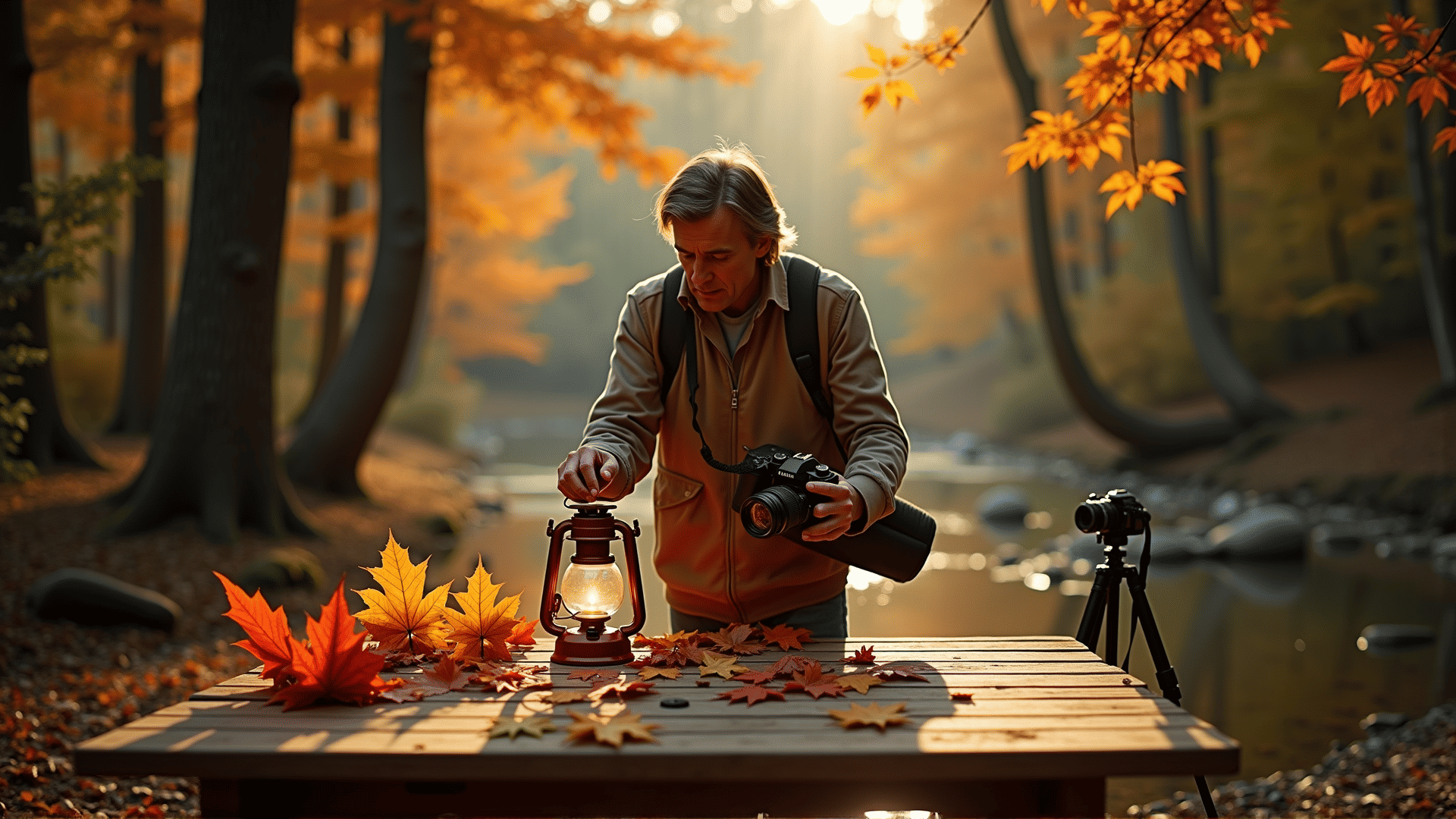
In the realm of visual storytelling, the art of composition is what transforms a simple image into a captivating narrative. While technical proficiency is fundamental, creativity in framing your shots is what truly elevates your work. This journey through imaginative composition invites us to explore various approaches to capturing compelling images that resonate emotionally and intellectually with viewers.
Rule Breaking for the Win
A common piece of advice is to learn the rules of composition and then break them. Rules such as the rule of thirds, leading lines, and symmetry serve as foundational guides, but real magic often happens when these conventions are bent to serve your creative vision. For instance, placing your subject dead-center or inclining the horizon can bring a fresh perspective that challenges viewers' expectations and draws them deeper into the story.
Playing with Perspectives
An integral part of creative composition is experimenting with perspectives. Changing your angle of view can transform an ordinary scene into something extraordinary. Challenge yourself to see the world from different points, whether it's from a bird's-eye view or the intimate angle of a worm's-eye. Each perspective can introduce unique elements and emotions to your scene, inviting viewers to experience familiar subjects in unfamiliar ways.
Harnessing the Power of Negative Space
Often underestimated, negative space can be a powerful tool in storytelling. It allows the subject to breathe within the frame and draws attention to the narrative without unnecessary distractions. By leaving strategic portions of the image empty or less detailed, you can create tension, highlight solitude, or convey vastness, depending on the story you wish to tell.
Light: The Unseen Artist
Lighting is an often overlooked yet crucial component that can significantly affect the mood and narrative of an image. Experimenting with different lighting scenarios, like backlighting, silhouettes, or chiaroscuro, introduces depth and drama to your composition. Natural light, with its ever-changing qualities from dawn to dusk, can be particularly effective in evoking emotions and enhancing the story you're depicting.
Incorporating Movement
Movement within a composition brings dynamism and life. Whether capturing the flutter of a bird's wings, the flow of water, or the blur of urban movement, incorporating motion can evoke a sense of excitement and immediacy. Techniques such as panning or slow shutter speed can add fluidity to your shots, allowing your audience to feel the energy and rhythm of the scene.
Narrative Layers
A photograph often holds more than one storyline, much like a layered cake. By weaving different elements and themes into a single frame, you invite viewers to explore various narratives. Utilize reflections, shadows, or juxtaposition to add complexity and intrigue to your composition. Each layer should not only complement but also enhance the primary story you're telling.
Emotional Resonance
Ultimately, the goal of any composition should be to evoke emotion. Whether your image evokes joy, nostalgia, melancholy, or excitement, the emotional impact is what forms a connection between the viewer and your work. Consider what feelings you want to convey and ensure each compositional choice, from framing to light to color, aids in achieving that emotional resonance.
In conclusion, creative composition is about breaking free from the conventional and embracing innovation and intuition. It’s a dance between technical mastery and creative freedom, aiming to craft images that echo in the minds and hearts of those who view them. As you explore these imaginative approaches, remember that your unique perspective and creative choices are what make your compositions truly unforgettable.