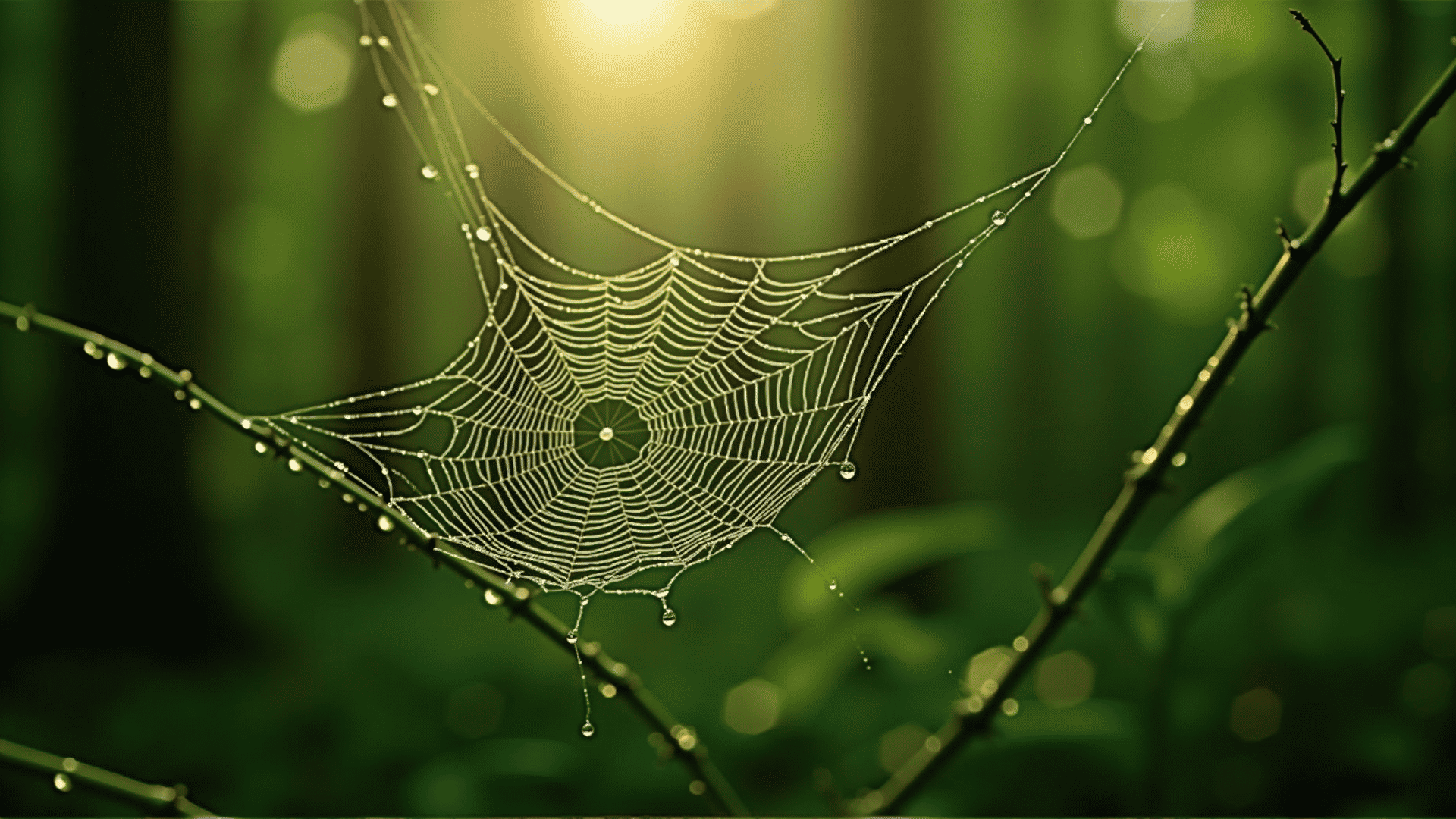
Embarking on a journey into the realm of nature photography requires more than just a camera; it demands an acute awareness of the environment and the essential elements that contribute to capturing the essence of the natural world. Nature offers countless opportunities to unveil its beauty, but translating these into compelling images involves a blend of technical skills, creativity, and a profound understanding of natural scenes.
Understanding Lighting
One of the most critical components in nature photography is the mastery of light. Natural light varies dramatically throughout the day, from the soft glow of dawn to the harsh midday sun, and finally to the golden hues of sunset. These changes in lighting can profoundly affect the mood and tone of your photographs. Early morning or late afternoon, often referred to as the "golden hour," provides warm, diffused light that can enhance the textures and colors of natural scenes. Conversely, shooting under an overcast sky can impart even lighting that reduces harsh shadows and highlights, which is ideal for close-up shots of flora and fauna.
Composition Techniques
To transform an ordinary scene into a work of art, understanding composition is essential. The rule of thirds is a popular guideline that suggests dividing an image into nine equal parts and placing the subject along these lines or at their intersections. This creates balance and draws the viewer’s eye more naturally to the focal point. Leading lines can be used to guide the viewer’s attention through the photograph, creating depth and perspective. Whether it’s a winding path or a flowing river, these lines can make an image more dynamic and engaging.
Practicing Patience and Preparation
Nature photography often requires patience and careful planning. Weather conditions, animal behavior, and seasonal changes can significantly impact the resulting photograph. Researching the location in advance and spending time observing your surroundings are crucial steps in anticipating the perfect moment. Wildlife photographers, in particular, may spend hours waiting for an elusive subject to emerge, but capturing that rare moment is both rewarding and exhilarating.
Embracing Minimalism
Sometimes, less is more. Simplifying your composition can result in striking images that emphasize the beauty of minimalism. A single tree in a vast field, a lone bird in the sky, or a single flower amidst a sea of green can have a powerful impact. Minimalist photography often requires careful framing and a keen eye for detail, stripping away distractions to focus on the core subject.
Connecting with Nature
To truly capture the essence of nature, a connection and respect for the environment are imperative. Being mindful of your impact, such as adhering to trails and leaving no trace, ensures that the natural beauty you’re capturing remains pristine for others to enjoy. This sense of responsibility not only enhances your appreciation of the natural world but enriches the authenticity of your images.
In conclusion, nature photography is about more than just taking pictures; it’s about telling a story and evoking emotion through imagery. By understanding the intricacies of light, mastering composition techniques, and engaging with your surroundings, you can transform simple moments into extraordinary works of art that resonate with viewers and celebrate the unspoiled splendor of the natural world.